
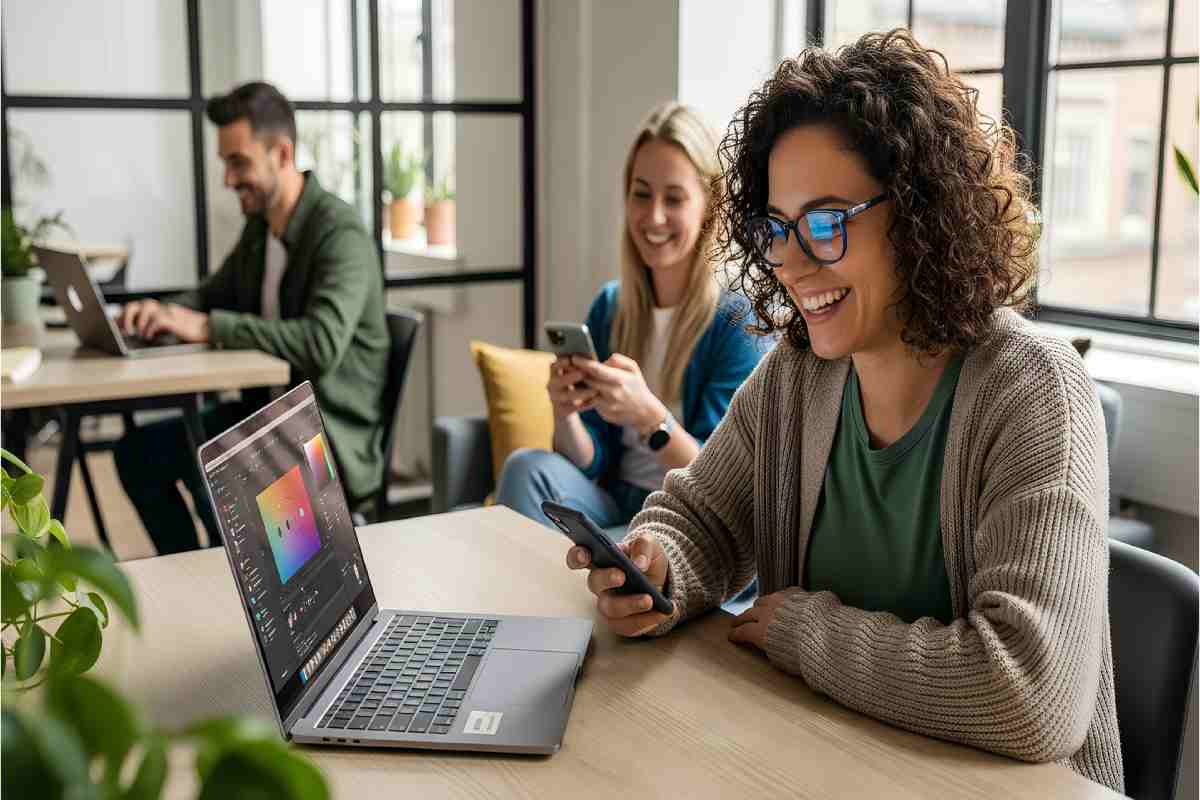
For many students, buying a laptop has become one of the biggest education-related expenses outside of tuition and accommodation. Modern study often depends heavily on reliable technology, whether for attending online lectures, completing coursework, editing media projects, or simply staying organised. At the same time, rising living costs have made many students far more cautious about large purchases, especially when balancing rent, travel, food, and textbooks alongside academic demands.
That financial pressure has helped drive growing interest in refurbished devices, particularly Apple laptops. Students are increasingly looking for ways to access reliable technology without paying premium prices for brand-new hardware. The second-hand and refurbished market has therefore become far more mainstream than it once was, especially among younger buyers who value practicality over simply owning the latest release.
One reason Apple laptops remain so popular with students is their reputation for longevity. Many devices continue functioning well years after their original release, making them attractive options for buyers hoping to get several years of use from a single purchase. While brand-new Apple products can feel financially out of reach for many students, older or refurbished alternatives often provide access to the same ecosystem at a far more manageable cost.
Reliability plays a major role in this shift. Students generally need technology that works consistently throughout long academic periods without constant maintenance or performance issues. A laptop used daily for lectures, assignments, research, streaming, and communication quickly becomes essential rather than optional. Because of this, many buyers would rather invest in a professionally refurbished Apple device than purchase a cheaper new laptop with less proven long-term durability.
There has also been a noticeable change in attitudes towards second-hand technology overall. In the past, refurbished electronics sometimes carried negative assumptions, with buyers worrying about hidden faults or poor condition. Today, the market is far more established. Professional refurbishment services now typically include testing, cleaning, repairs, battery checks, and secure data wiping before devices are resold. That has helped build greater confidence among buyers who previously may have avoided used technology entirely.
Battery life is another factor that strongly influences students when choosing laptops. University life often involves moving between lectures, libraries, cafés, study spaces, and accommodation throughout the day. Carrying chargers everywhere is inconvenient, so portability and battery performance matter far more than they might for someone working permanently from home. Apple laptops have traditionally performed well in this area, which continues making them attractive even years after release.
Interestingly, students are also becoming more conscious of environmental concerns when purchasing technology. Constantly replacing electronics creates significant waste, and many younger consumers now actively consider sustainability alongside cost. Buying refurbished devices extends product lifespans and reduces unnecessary electronic waste, which appeals to students trying to make more environmentally responsible purchasing decisions.
Of course, affordability remains the biggest motivation for many buyers. A new premium laptop can cost well over a thousand pounds, which is unrealistic for a large proportion of students already facing financial pressure. Refurbished alternatives often provide similar everyday usability at dramatically lower prices. For tasks such as essay writing, web browsing, research, video streaming, and general productivity, many older Apple devices still perform perfectly adequately.
That said, students sometimes make the mistake of focusing only on price without considering future usability. Extremely old laptops may initially seem like bargains but can struggle with modern software requirements or lose operating system support relatively quickly. Choosing the cheapest possible option does not always provide the best long-term value if the device becomes frustrating to use after only a short period.
Performance expectations also vary depending on courses and workloads. A student studying graphic design, video editing, architecture, or music production may require significantly more processing power than someone primarily using office software and online research tools. This is why understanding personal requirements remains important when shopping for refurbished technology.
The popularity of the refurbished macbook market reflects these changing priorities. Students are increasingly looking for devices that balance affordability, reliability, portability, and long-term practicality rather than simply chasing the newest releases. Many buyers now see refurbished Apple laptops not as compromises, but as sensible financial decisions that allow them to access premium hardware more realistically.
Retailers such as Tech.Trade have benefited from this growing demand as more consumers become comfortable purchasing professionally refurbished devices instead of factory-new alternatives. The shift has been accelerated further by rising electronics prices and the growing awareness that modern laptops often remain useful for much longer than people once assumed.
Another reason refurbished technology appeals to students is flexibility. University years are often temporary and transitional. Many students do not necessarily want to invest heavily in expensive hardware while their needs and financial situations are still changing. Choosing a refurbished device can therefore feel like a more balanced and practical option without the pressure of committing to premium prices.
There is also a psychological difference in how refurbished devices are viewed today compared to a decade ago. Previously, buying second-hand technology could feel like settling for less. Now, many consumers view it as financially sensible and environmentally responsible. That shift in perception has made refurbished products far more socially accepted, especially among younger generations already accustomed to resale markets across clothing, furniture, and electronics.
Ultimately, the growing popularity of refurbished laptops among students reflects wider economic and cultural changes. Buyers are becoming more focused on value, longevity, and practicality rather than automatically pursuing the latest release. For students especially, where budgets are limited but technology is essential, refurbished Apple devices often provide a balance that feels increasingly difficult to ignore.